Analytical Support for NGO MEAL Teams
Strong MEAL is more than collecting indicators for reporting. It connects field data, quality control, analysis, and management decisions throughout the project cycle.
MEAL teams often sit at the center of an NGO’s information system. They are responsible for turning data from field activities into reliable indicators, findings, and reporting.
When most processes are manual, however, a significant share of their time can be spent on collecting files, checking spreadsheets, identifying errors, combining data sources, updating charts, and preparing recurring reports.
A well-designed data architecture can significantly change this model.
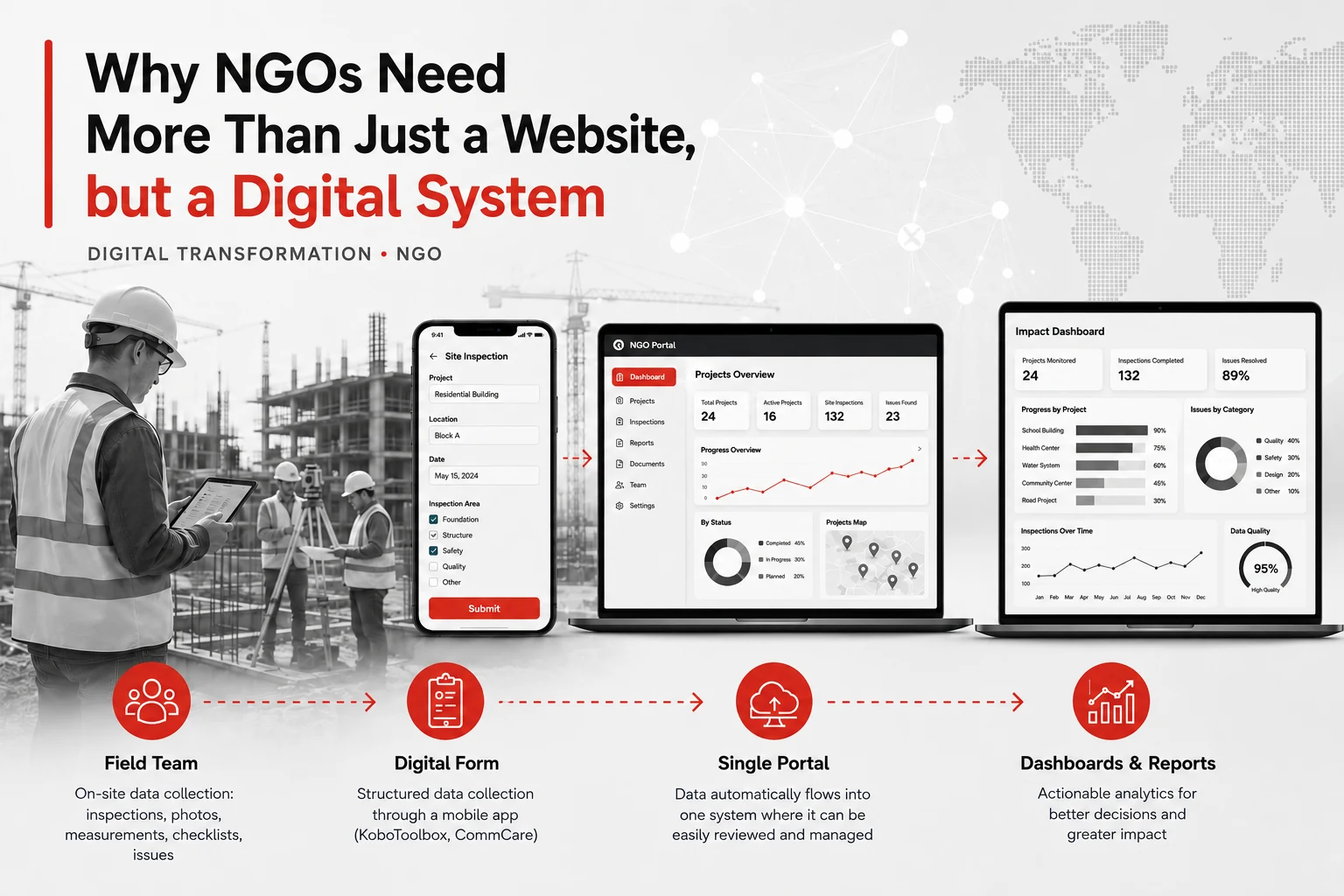
1. Digital data collection
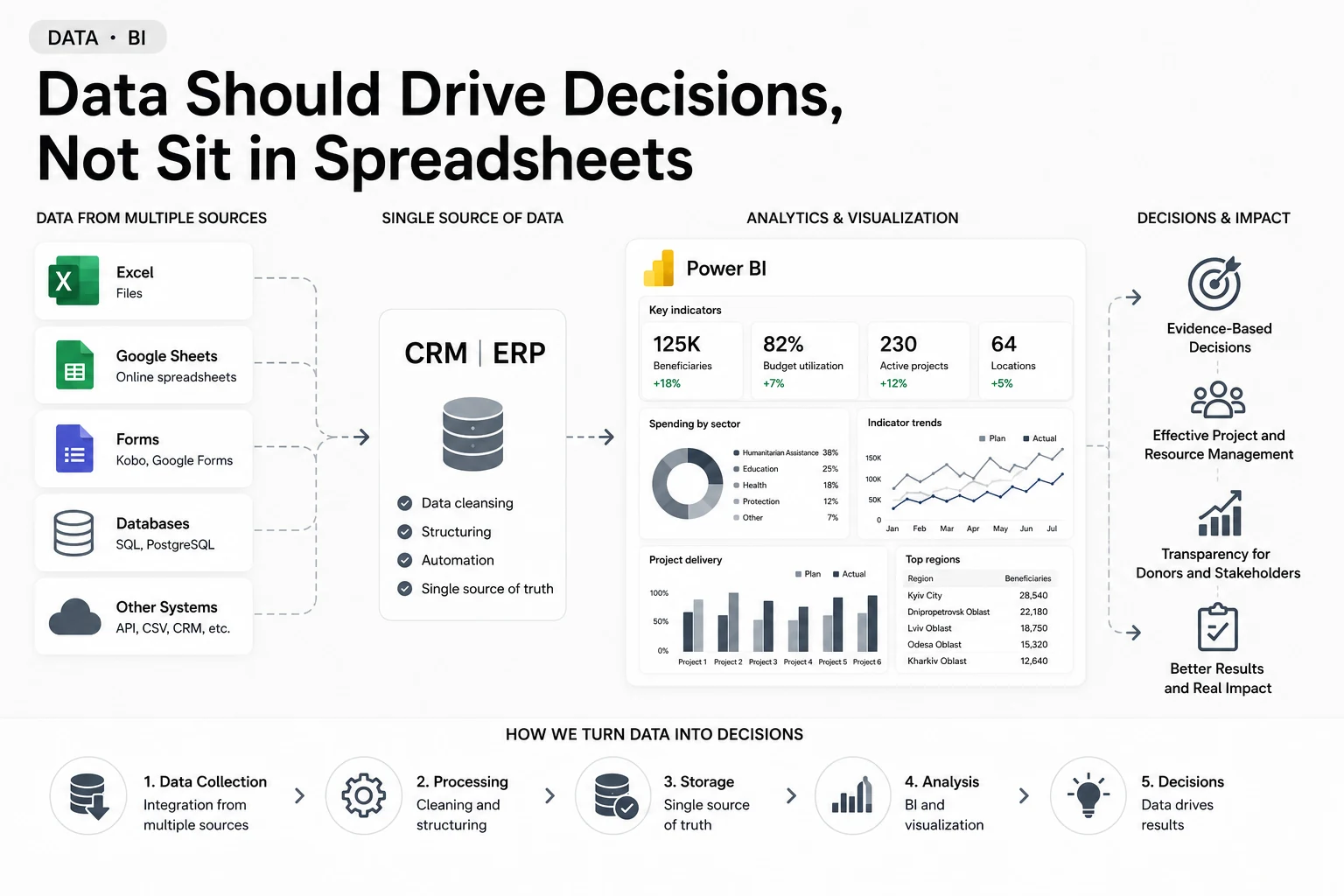
The first layer is standardized digital forms. Organizations can use KoboToolbox, CommCare, Microsoft Forms, Google Forms, or specialized platforms.
A well-designed form can already include validation rules, standardized reference lists, question logic, unique IDs, GPS or photographs where appropriate, and quality-control rules.
2. Transfer and storage
After collection, information should not remain in separate files on individual computers. It can be centralized in databases, CRM platforms, Google Sheets, SharePoint, SQL, or dedicated programme portals.
This creates a controlled data environment.
3. Automated analytics
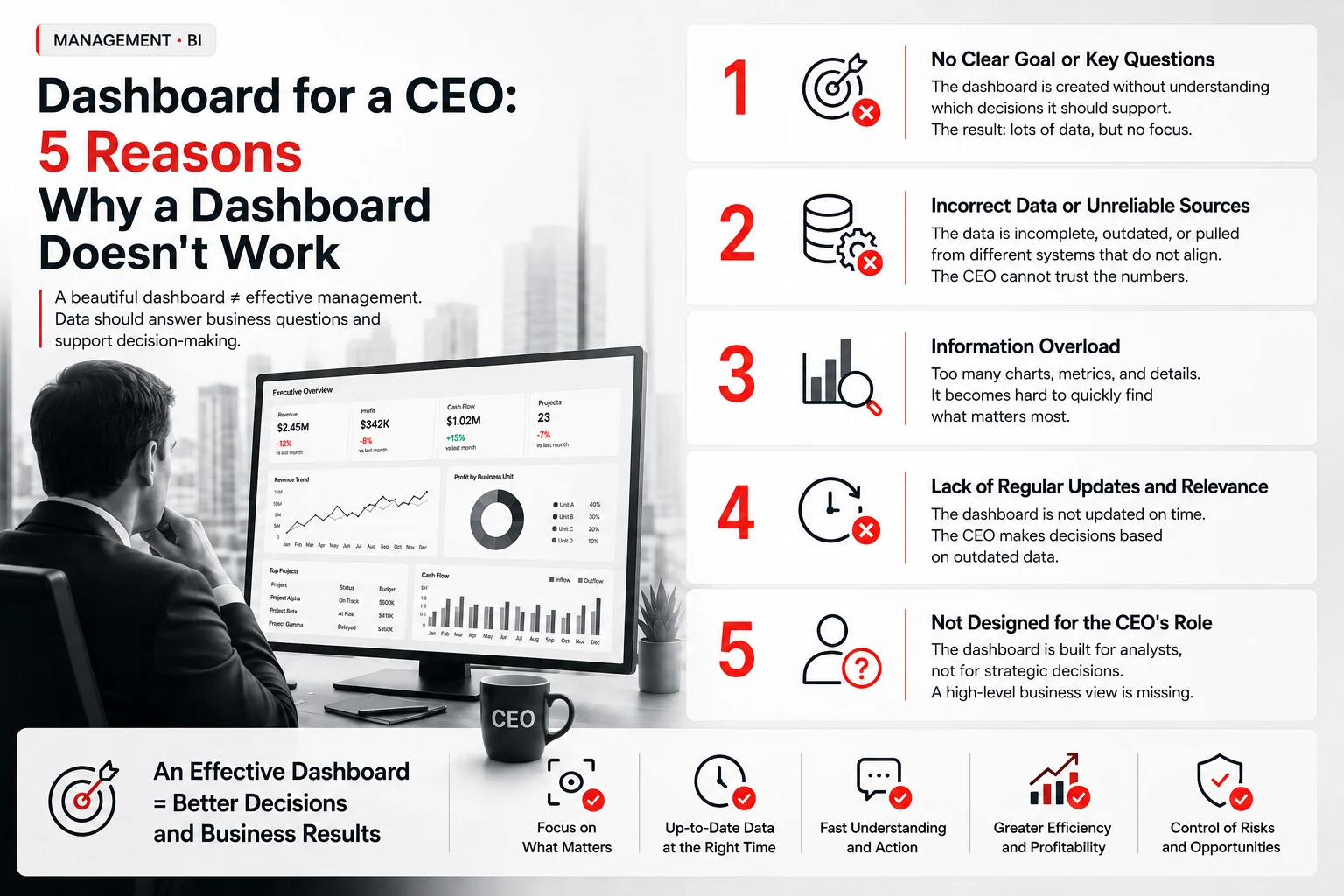
The next layer is Power BI or another BI platform. A MEAL dashboard can provide visibility into reach, beneficiary numbers, indicator achievement, geographic distribution, demographic breakdowns, progress against targets, trends, and data-quality indicators.
4. From reporting to learning
This is where MEAL can create the greatest value. The question is no longer only “What did we deliver?” It becomes “What is working? What is not working? For whom are results different? What should we change?”
Technology does not replace the MEAL professional. It removes repetitive technical work and creates more time for analysis, learning, and programme decision support.